What Effects Does Organic Food Have on Health and the Environment?
Using organic food is becoming a popular choice for many people because they trust its safety and the benefits it offers. However, the significantly higher cost compared to conventional food leaves many still hesitant when making a choice.
What is Organic Food?
Organic food is food produced according to a strict process. These foods are free from hormones, herbicides, chemical fertilizers, and are not genetically modified (non-GMO).
These products must ensure they are not subjected to irradiation sterilization and contain no artificial flavorings, colorings, or preservatives. They absolutely do not contain any substances that could be harmful to humans or the environment.
According to organic standards, vegetables and fruits are grown naturally and fertilized with natural manure composted from animal waste or decaying plant matter. Chemical fertilizers and pesticides are strictly prohibited; instead, biological measures are used for pest control.
Regarding meat, eggs, and dairy products, livestock feed must be organic vegetation, free from GMOs. Animals are not injected with growth hormones, and disease prevention relies on natural methods.
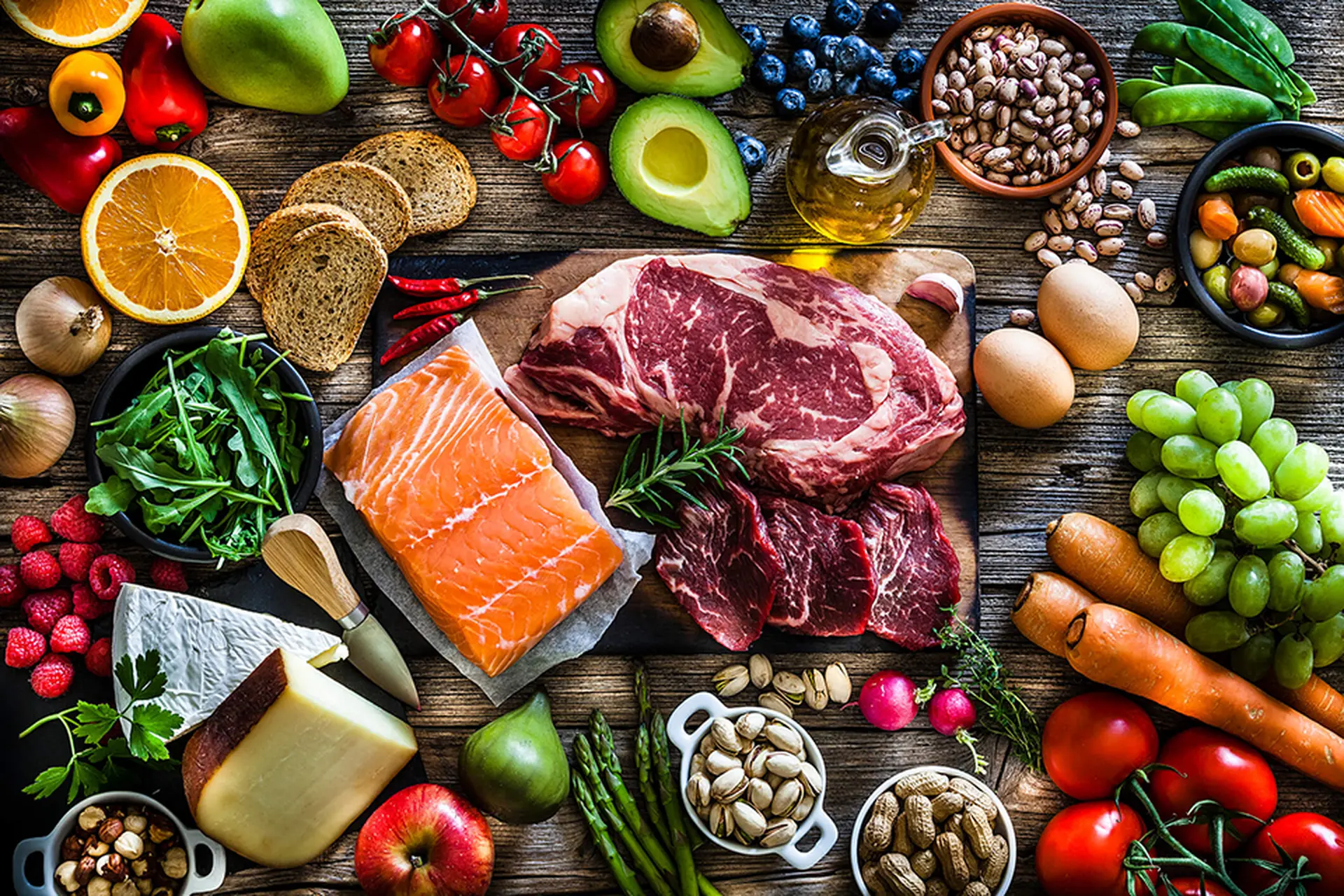
Benefits of Organic Food for Health and the Environment
Due to strict production standards, organic products are considered a “golden key” to health care.
Nutritional Value: Grown in a natural environment with organic fertilizers, organic food has a very high nutritional content. According to researchers, this content is 15% higher than that of conventional food.
Disease Prevention: Recent studies have shown that the proportion of antioxidants in organic food is much higher than in conventional foods. Consequently, consuming organic food helps reduce the risk of cardiovascular diseases, cancer, and diabetes. At the same time, antioxidants limit free radicals, helping the body maintain its youthfulness longer.
Safe for Children: This type of food is considered a priority choice for children’s meals. Since children at this age develop rapidly, providing clean food minimizes exposure to chemicals and toxins that affect their normal development.
Environmental Impact: Beyond health benefits, organic food also has positive impacts on the environment. Producing organic food without pesticides and chemicals helps reduce environmental pollution and save energy.
Soil Protection: Using organic fertilizer improves soil quality, making it more fertile and nutrient-rich, preventing erosion, and preserving groundwater sources.
Disadvantages of Organic Food
Despite bringing many benefits to the environment and humans, organic food also has several downsides:
- Labor-intensive production: Producing organic food requires significant effort from farmers because most stages are manual and must strictly adhere to rigorous standards.
- Perishability: Because there are no chemical residues or preservatives, this type of food spoils easily when environmental conditions change. It must be stored at appropriate temperatures and transported using specialized equipment to ensure quality upon reaching consumers.
- Significantly higher price: With a completely natural, labor-intensive production process, organic food prices are often much higher than conventional options, making it difficult for low-income individuals to access.
- Limited variety and scarcity: Current supply cannot meet the market’s growing demand. This scarcity is another reason why organic food is so expensive.
Use of Organic Fertilizers and Biological Preparations
Organic fertilizers are composted from animal carcasses, animal manure, minerals, peat, or leaves. Biological preparations are products formulated and extracted from naturally available ingredients; they replace chemical drugs to protect crops from pests.