What is the plant growth regulator Uniconazole? An alternative solution to Paclobutrazole
In recent years, Uniconazole has attracted increasing attention in modern agriculture thanks to its effective growth-regulating properties, helping crops develop in a balanced and vigorous manner while enhancing economic value. This active ingredient is widely applied across various crop groups, ranging from rice and industrial crops to fruit trees and ornamental plants.
In today’s article, we will explore the plant growth regulator Uniconazole, as well as its role and applications in controlling plant growth and promoting the sustainable development of crops.
What is Uniconazole?
Uniconazole is a plant growth regulator belonging to the triazole group, which directly affects the biosynthesis of gibberellin — a hormone that plays a crucial role in cell elongation and the promotion of plant height growth.
When gibberellin levels in plants are selectively and controlledly inhibited, the growth of stems and leaves is regulated, helping to reduce excessive elongation. At the same time, nutrients are redistributed more efficiently to key organs such as roots, stems, shoots, and flower buds. As a result, plants develop in a more balanced, sturdy manner with improved physiological stability.
Mechanism of Action of Uniconazole
Uniconazole exerts its effects through the following key physiological mechanisms:
- Inhibition of gibberellin biosynthesis, limiting excessive cell elongation and vegetative overgrowth
- Increased chlorophyll content in leaves, resulting in darker green foliage and improved photosynthetic efficiency
- Regulation of nutrient transport and allocation, prioritizing reproductive development and the formation of reproductive organs
- Enhancement of plant adaptability under unfavorable environmental conditions
Due to these effects, Uniconazole is considered a highly effective active ingredient. However, it must be applied at appropriate dosages and timings to avoid adverse impacts on natural plant growth.
Agricultural Applications of Uniconazole
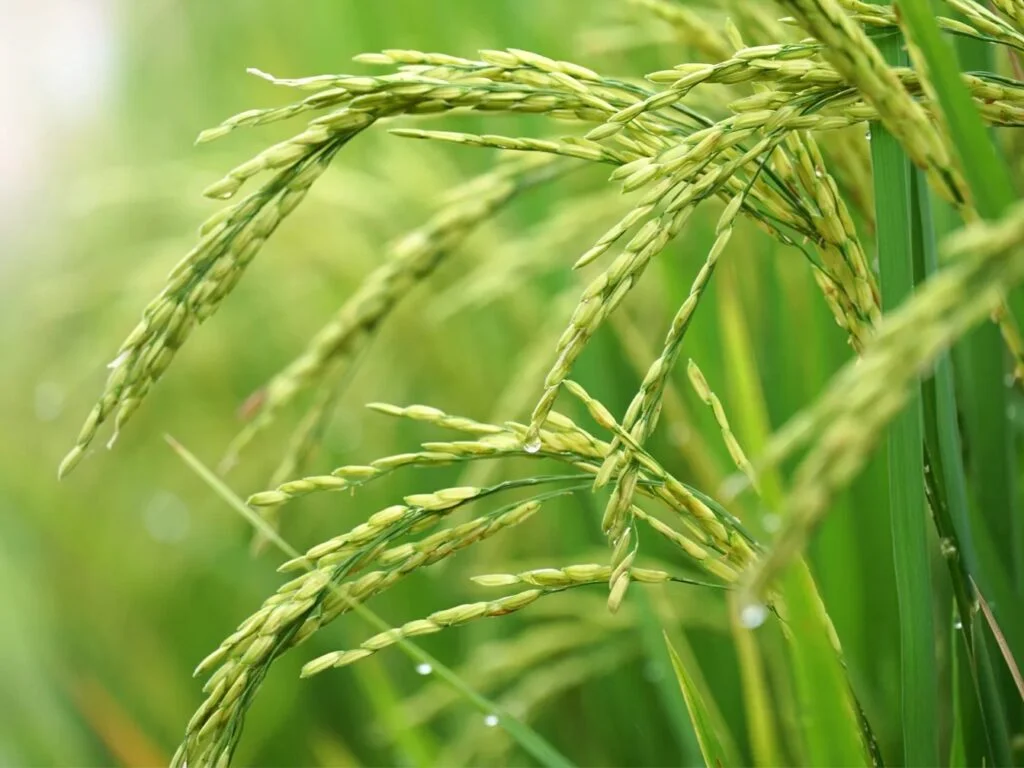
1. Rice and Cereal Crops
- Promotes effective tillering, leading to more uniform crop development
- Strengthens stems, reducing the risk of lodging under adverse conditions
- Supports panicle formation and nutrient accumulation during the grain-filling stage
- Enhances tolerance to stress caused by flooding or weather fluctuations
2. Fruit Trees
- Controls shoot and branch growth, resulting in a compact canopy that facilitates management
- Supports flower bud differentiation, particularly in off-season flowering induction practices
- Contributes to improved fruit set and enhanced crop quality